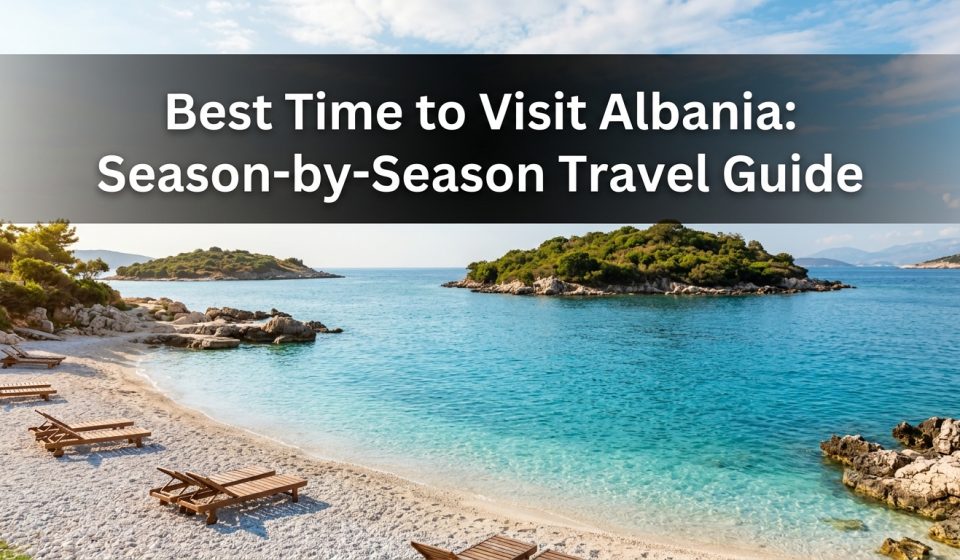

Finding the right time to explore the Balkan Peninsula will make your vacation memorable. Determining the best time to visit Albania depends on the activities you wish to enjoy. You can relax on pristine shores or hike the majestic Albanian Alps. In addition, the natural landscape stretches from warm beaches to snow-capped peaks.
Most western coastal areas enjoy a warm Mediterranean climate throughout the year. Meanwhile, the inland and hilly regions offer cooler temperatures with lush green landscapes. Therefore, this seasonal guide helps you choose the ideal travel schedule. You can plan easily based on weather preferences, tourist density, and travel budget.
The Charm of Spring for Cultural Tourism and Green Landscapes
The period from April to early June brings a fresh atmosphere to nature after winter ends.
Air temperatures in spring range between 18 to 24 degrees Celsius. Wildflowers begin to bloom along the hillsides, while natural waterfalls flow heavily from melting mountain snow. Consequently, these cool weather conditions are perfect for exploring world heritage historical sites without intense heat.
Ancient cities like Berat and Gjirokastër offer views of photogenic stone houses during May. Furthermore, the number of visitors during this period remains relatively low. This situation allows you to wander through castle fortresses in peace. Intercity transport routes are also clear, facilitating easy road travel through the Vjosa River valley.
However, it is advisable to bring a light jacket before visiting hilly areas to anticipate colder nights. Overall, spring is the best choice for nature photography enthusiasts, history lovers, and travelers seeking quiet vacations.
The Vibrancy of Summer on the Adriatic and Ionian Coasts
The months of July and August mark the peak holiday period when the coastline becomes an international entertainment hub.
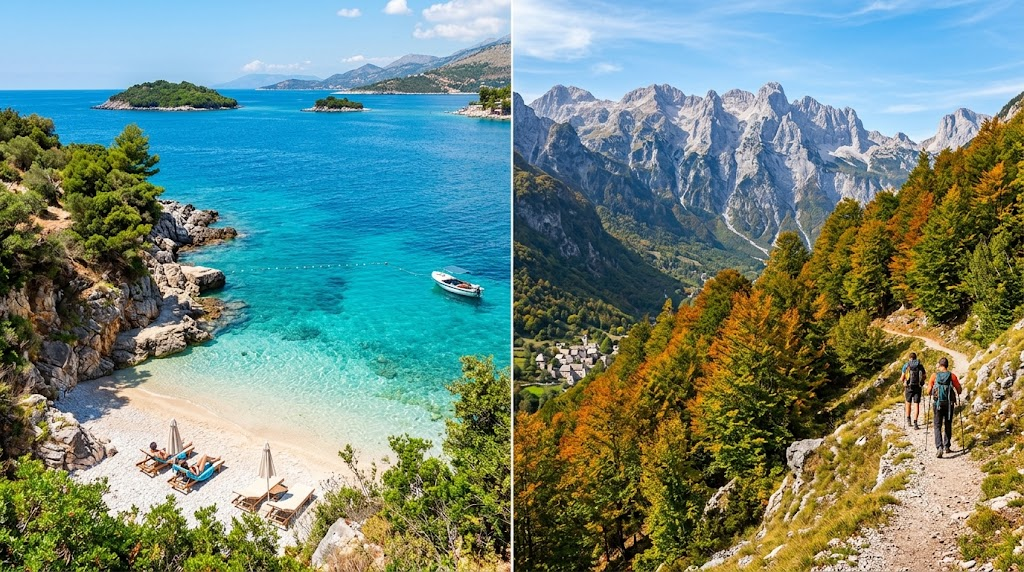
Enjoying summer in Albania means basking in the Mediterranean sun with temperatures reaching 30 to 36 degrees Celsius. As a result, the clear waters along the Ionian and Adriatic Seas provide perfect beach weather for swimming, kayaking, or diving. Coastal towns like Saranda, Ksamil, and Dhërmi are bustling with travelers from all over the world.
Moreover, the southern coastal region, known as the Albanian Riviera, becomes the main stage for beachside music festivals. Beach cafes, outdoor bars, and seafood restaurants operate late into the night. In addition, the calm sea conditions with gentle waves are delightful to explore via rented boats.
On the other hand, the surge in tourists causes accommodation and car rental prices to rise significantly. Therefore, visitors are advised to book lodging and attraction tickets several weeks before arrival for maximum comfort.
Autumn Adventures in Rugged Mountainous Regions
Entering September and October, the extreme heat begins to subside and is replaced by refreshing autumn air.
This period is often referred to as the Albania shoulder season, which is highly favored by adventurers. Specifically, hiking trails in the Accursed Mountains or the Albanian Alps offer safe and dry hiking conditions. Tree leaves in the Valbona and Theth valleys also begin to change into beautiful golden hues.
Sea temperatures in early autumn remain warm enough for leisurely swimming on the southern coast. Meanwhile, lodging rates and dining costs at local restaurants drop significantly compared to summer months. Thus, this period provides a golden opportunity for budget-conscious travelers to enjoy seaside resort facilities.
In conclusion, autumn provides the perfect balance between weather comfort, breathtaking hill panoramas, and travel cost efficiency.
City Exploration and Snowscapes in Winter
The months of November to March offer a different holiday experience with snow blankets in the northern highlands.
Temperatures in major cities like Tirana and Durrës stay between 8 to 14 degrees Celsius with occasional rainfall. Nevertheless, city life remains dynamic through modern museums, art galleries, and cozy coffee shops. Furthermore, the Christmas market celebrations in the capital main square offer vibrant, colorful lights.
In the northern mountains, thick snow covers peaks and traditional wooden villages. Travelers who enjoy winter sports or cold rural atmospheres can stay in local wooden lodges with fireplaces.
Finally, to maximize your experience during winter, you should focus your itinerary on exploring traditional culinary delights and indoor museum tours.
Summary Guide to Choosing the Best Season
Overall, finding the best time to visit Albania depends on your holiday priorities. In particular, May, June, and September are ideal for pleasant sunny weather, comfortable trekking routes, and quiet beaches. Therefore, prepare your travel documents, plan your exploration route, and enjoy the natural wonders of the Balkan Peninsula.
Travel Guide and Holiday Seasons in Albania FAQ
What is the best month to enjoy beach tourism in Albania?
June and September are the best times because the weather is warm and seawater is clear. In addition, coastal areas are not as crowded as in July or August.
When is the safest time to hike in the Theth and Valbona Mountains?
The period between June and early October offers dry hiking trails free from thick snow. Furthermore, you can enjoy clear valley views throughout your hike.
Is Albania still worth visiting in December?
Major cities like Tirana remain attractive because they have a mild winter climate. In addition, the cities are decorated with lively year-end festival night markets.
When is the cheapest holiday period in Albania?
The months of October to April offer the most affordable flight tickets and accommodation. Consequently, this period is ideal for budget travel as it enters the off-peak season.
What is the rainfall condition in Albania Mediterranean coastal areas?
The highest rainfall generally occurs from November to February. Conversely, summers tend to be dry and completely rain-free for months.